

Hand-Painted Animated Short Layla’s Mountain Explores Life with Ultra-Rare Condition aHUS

Skwigly
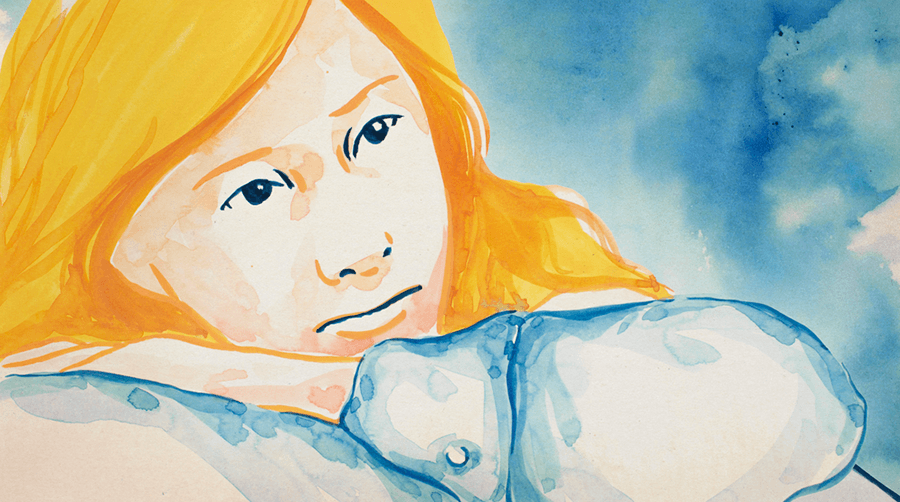
Layla’s Mountain is an animated short film directed by Richard Paris Wilson, based on an interview with a real patient, Layla, a young girl living with an ultra-rare kidney condition called aHUS (Atypical Hemolytic Uremic Syndrome).
Based on an audio interview, the film brings to life her diagnosis, treatment, and the search to find herself again.
The short film uses thousands of hand-painted images, meticulously created by Ewa Smyk, Natasza Cetner and Haemin Ko, to make her experience vividly felt.
With a delicate score by Natalia Tsupryk, and sound design by Samuel Mason, the film has a gentle, dreamlike quality, reflecting the softness of Layla’s words.
Atypical HUS affects only a handful of people per million. In the UK, roughly only 20 people are diagnosed annually. Until recent treatments were developed it would primarily lead to end-stage kidney failure, but with treatment people with the condition can recover and lead normal lives.
The words from Layla used in the film were originally recorded for another project. Wilson saw the potential for an animation film that could exist in its own right, and found the trio of animators who could help bring the story to life. The short film was supported by Alexion Pharmaceuticals Inc UK (a subsidiary of AstraZeneca), as a means of raising awareness of aHUS and other ultra-rare conditions, and as a celebration of Layla’s journey.
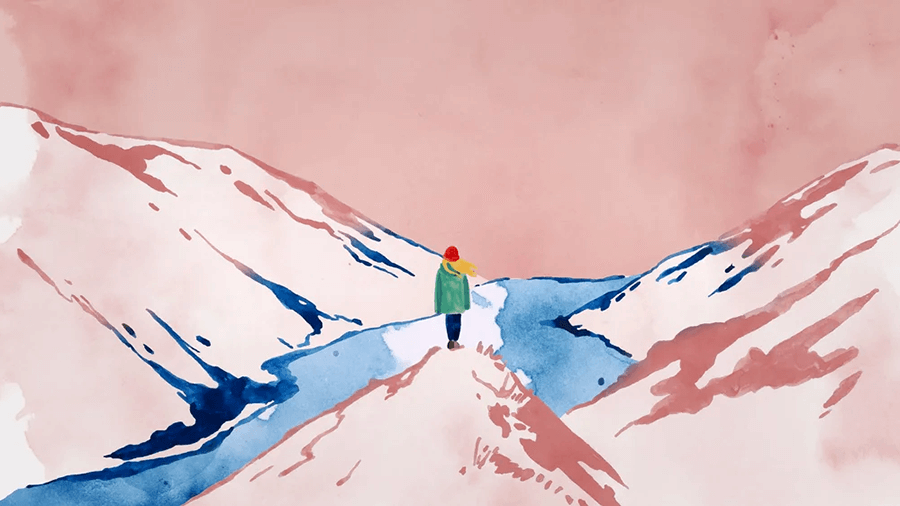
Hand-Painted Animated Short Layla’s Mountain Explores Life with Ultra-Rare Condition aHUS
The film follows Layla’s journey with atypical HUS, from the first signs and diagnosis through to treatment and reclaiming life, as she reflects on fear, resilience, and the support that helped her navigate a rare disease, offering hope to others facing similar challenges.
The film explores diagnosis, treatment, daily life with aHUS, and the lessons of hope and encouragement drawn from Layla’s experience. This film shares one person’s experience and is not a substitute for professional medical guidance.