

Long Story Short | Review

COURTESY OF NETFLIX © 2025
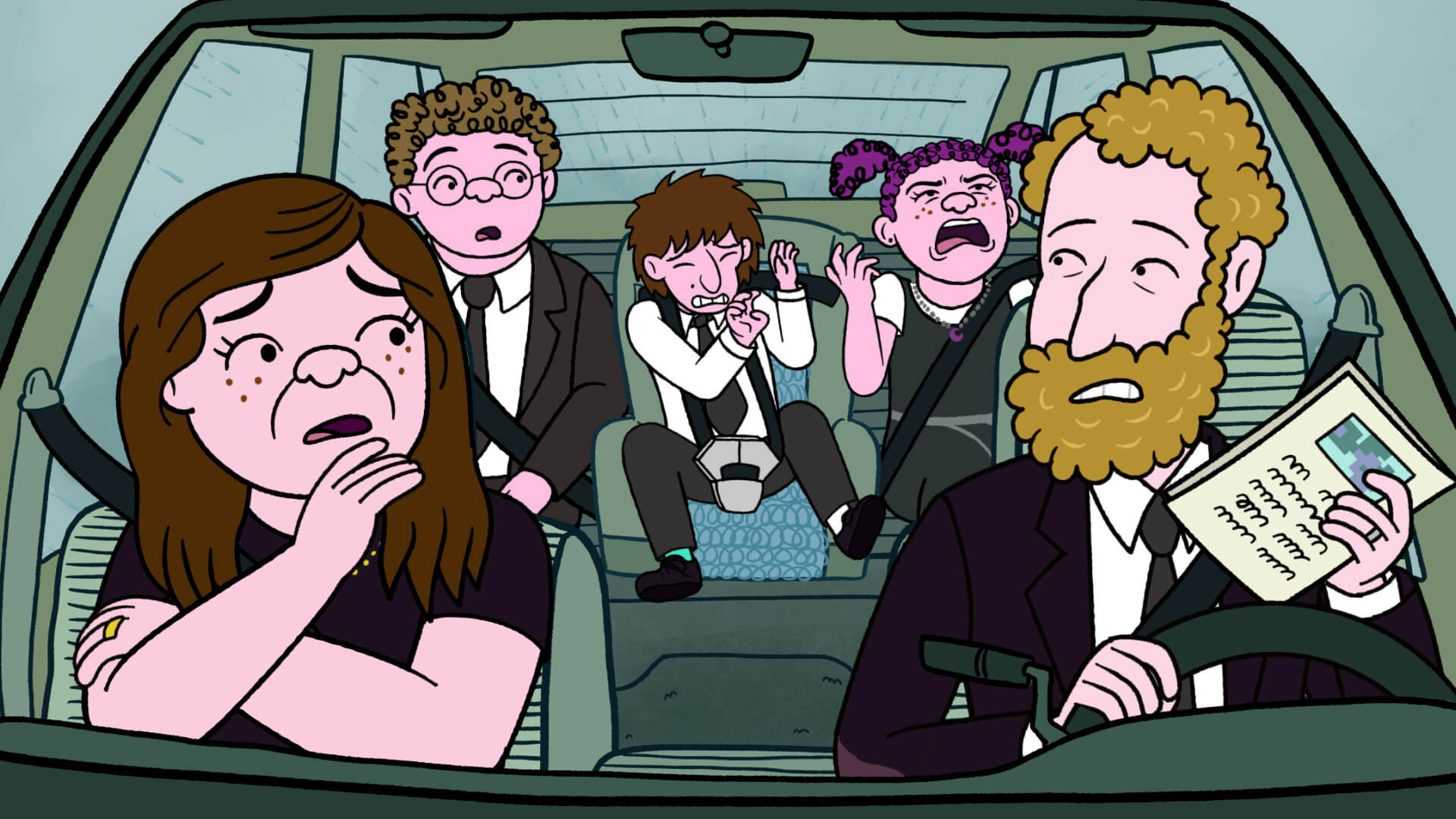
Long Story Short is an affecting and hilarious masterclass in concise storytelling. Raphael Bob-Waksberg’s follow up to BoJack Horseman is an intensely focused season of TV, getting into the knotty weeds of family relationships, religion, the pandemic and generational trauma in a way that is refreshingly grounded for animation and unburdened by rote therapy jargon.
Long Story Short has no fantasy backdrop like animated series such as Futurama and BoJack itself, nor does it revolve around a propulsive plot like Common Side Effects; it’s a story based in reality about a Jewish family going through real stuff. While its premise is grounded, Long Story Short takes a big swing with its structure that pays off massively, giving us non-chronological glimpses into the lives of this family from the 90s to the 2020s. Pair all of this with a bold, unique animation style that blends crude, childlike drawings with beautiful imagery and you have one of the best animated series of recent years.
Making a show where each episode can take place in any year between 1990 and 2025 could create a frustrating lack of momentum. We’ve all had that experience of bingeing a show and just as the plot gets moving, the next episode flashes back 20 years and your excitement disappears. Long Story Short evades that problem by not having a progressing plot at all, but instead creating compelling characters you simply want to know more about. When you see siblings Avi, Shira and Yoshi get into an argument, you want to know what formed their different worldviews. When we see their mother, Naomi, say something traumatising to them as children, it’s fascinating to see how each of them either internalises or completely rejects it as adults.
COURTESY OF NETFLIX © 2025
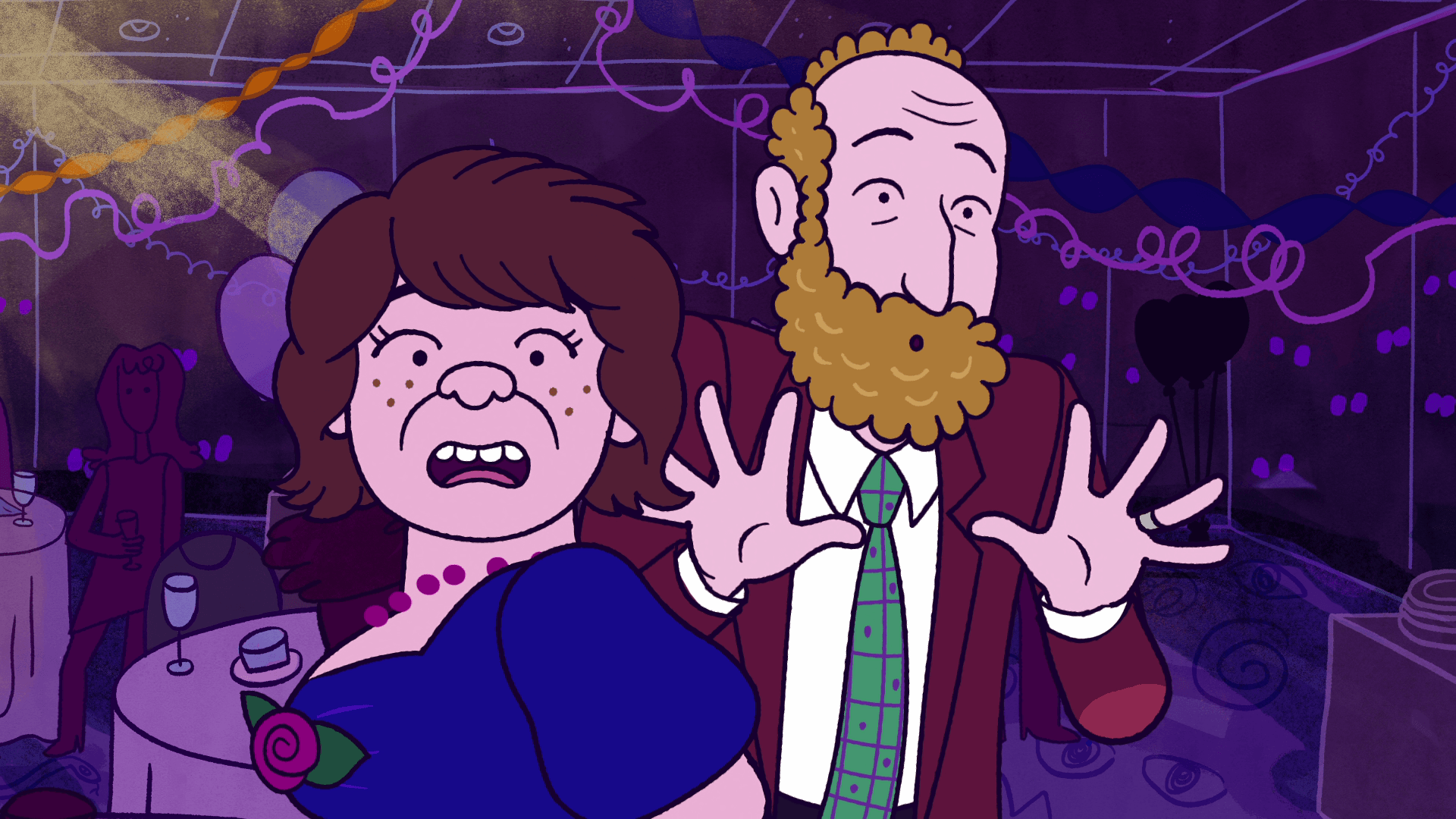
Long Story Short doesn’t show big moments like funerals, weddings, divorces and births, instead it leaves the audience to compare who these characters were before and after those events, and how it’s changed them. The show’s structure is a stroke of genius in the streaming era where studios aren’t handing out 10 22-episode seasons. You have less time to spend with characters, and through 10 30-minute episodes, Long Story Short makes this family feel real. It’s almost like a friend telling you about these people they know and the drama happening in their family.
Accessing those emotional depths is easier when the characters in the show are humans, unlike in BoJack. Long Story Short is the perfect title for a show that cuts right to it, with no fantastical element for the show to lean on for comedy, something that helped BoJack be the gag-fest it is. When Long Story Short does shoot for absurd comedy, mimicking BoJack in the way it takes a small idea and expands it out to the most outlandish degree until it explodes, there’s more of a tightrope to walk. That stuff was easier to do in a show where the main character is a horse, it’s harder to pull off when you need to believe that these are real people. Again, Long Story Short leaps over that hurdle without issue, finding the perfect balance between grounded emotion and silly jokes. The overall writing style of the show also differs from Waksberg’s past work, with a lot more crosstalk and a higher density of information being thrown out, again going back to the show’s philosophy of more concise storytelling.
COURTESY OF NETFLIX © 2025
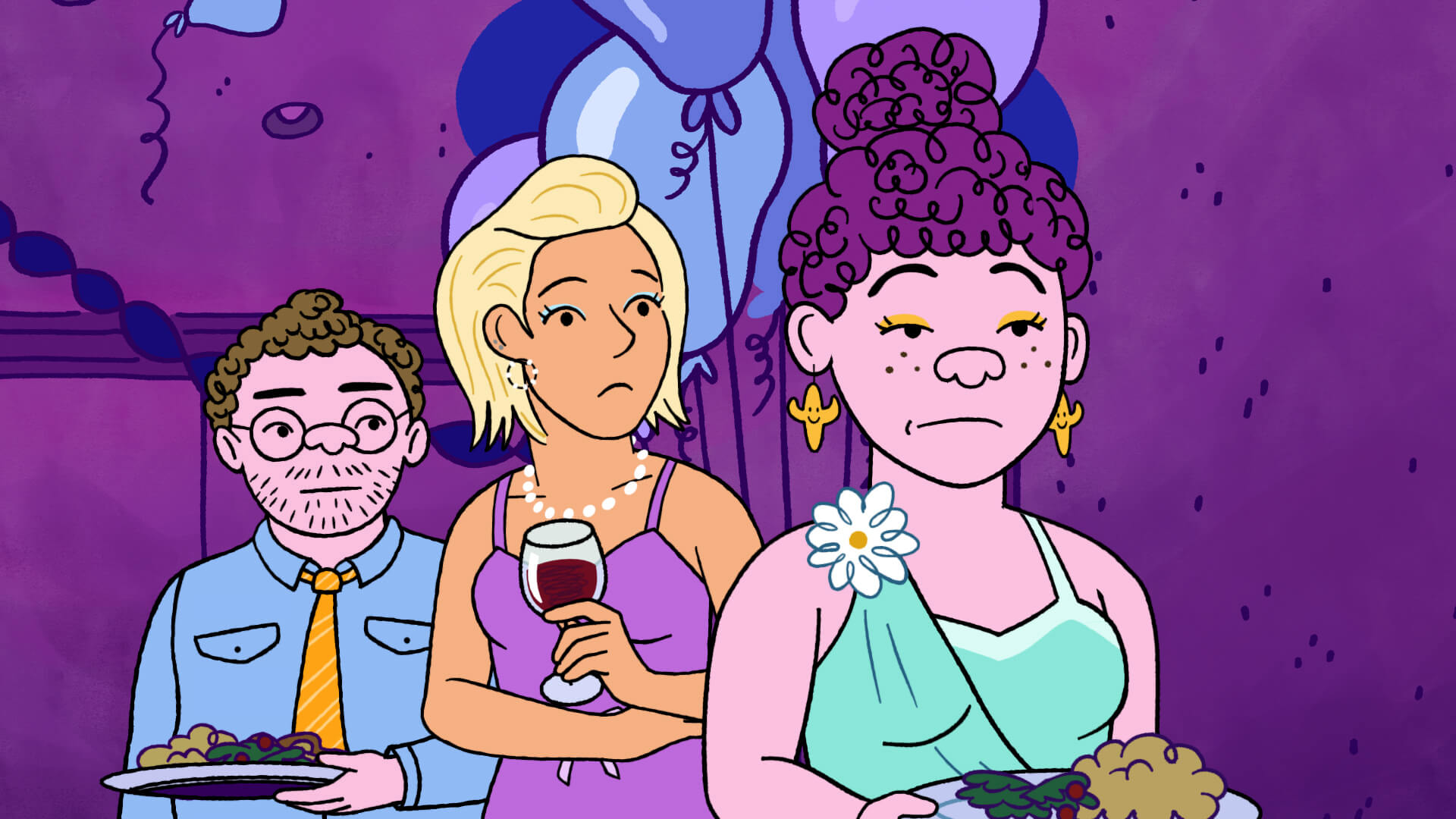
Also evolving from BoJack is the look of the show. Returning from the BoJack team is character designer Lisa Hanawalt, who opts for a much more minimal style this time around. Characters’ eyes are just dots with very simple facial features. Objects and buildings in backgrounds are loosely drawn with colouring outside the lines. A sunset will be drawn as a soft orange sky with clouds represented as big scribbles. It’s a little alien looking but ends up being quite beautiful and nostalgic. For a show about the messiness and complicated nature of relationships and life, these crude approximations of landscapes reflect childish innocence and a yearning to return to that. It all wraps up in the themes of nostalgia in the show where we see these characters as kids not really process the mess around them until they experience it for themselves as adults. In a show about how messy life can get, the simple visuals are a very potent parallel.
This provides a backdrop for the show to tackle so many ideas. Religion, internalised anti-semitism, parenthood, childhood, love, the pandemic, career anxiety, all these things a person would experience over 40 years. The show doesn’t try to come to a definitive conclusion about any of it, just represents the diversity of experience, like how Avi, Shira and Yoshi’s Jewish upbringing allows some of them to find comfort in religion while others feel burdened by it.
COURTESY OF NETFLIX © 2025
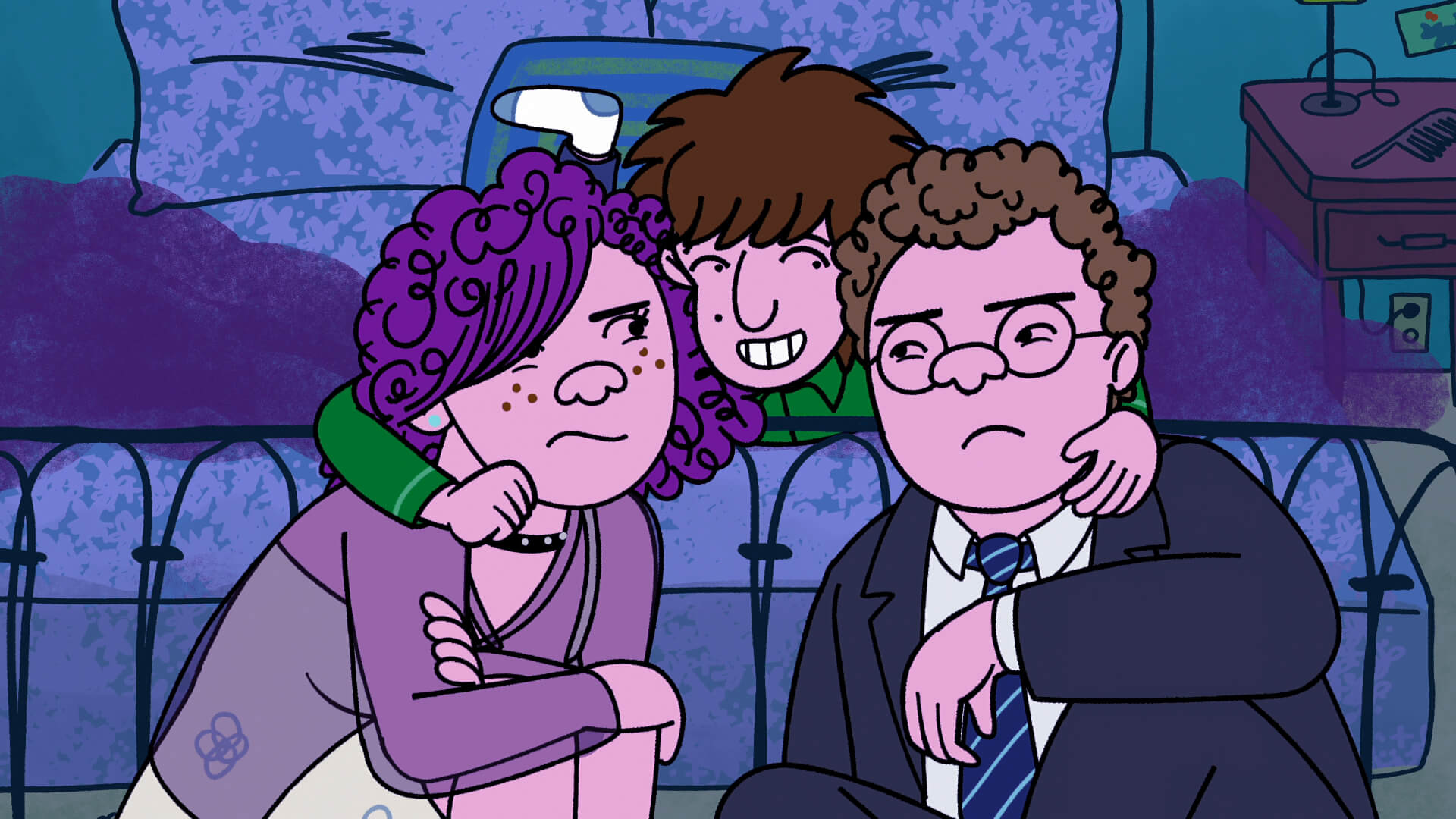
Like BoJack, the themes of mental health and parenthood are the most affecting in Long Story Short. When BoJack came out it was more novel to discuss mental health issues on a show, but in the time since it has become cliche for ‘therapy speak’ to leak into TV writing. In Long Story Short there are no metaphors meant to represent trauma, we just see the building blocks of characters’ personalities be formed; the trauma, the joy, all of it.
Long Story Short is about how impossible it is to really know each other and completely understand the decisions that the other makes and how that feeling is heightened in parent-child relationships where there’s this generational island between you. It cuts right to the heart of the nature of family bonds, how they’re so different and nonsensical compared to every other relationship you’ll have in your life.
Long Story Short deserves a place in the adult animation pantheon. Its title says it all, using the most minimal path to tell a story spanning decades, giving you insight into the minds of each character through efficient and impactful writing that says something significant about familial relationships without forgetting to be funny. It’s Raphael Bob-Waksberg’s masterpiece, the perfect balance between family drama and animated sitcom.