

Intruder
What is the film about?
A man tries to direct his own dreams, but nothing goes as planned. While sculpture-like props and dreamlike soundscapes swirl around him, he’s swept into a world where he is a prisoner of his own subconsciousness. In this dreamscape, his deepest feelings and desires have a life of their own. So, who is truly in control?
What influenced it?
When I write, some stories tend to haunt me. They eat at me with either a growing idea or a cluster of feelings, and writing them out is a form of exorcism for me. Visually, Eiko Ishioka was a big influence, with her production design for the film Mishima: A Life in Four Chapters. Her idea of staging Yukio Mishima’s writings and life on isolated stages suspended in black space is smart and beautifully executed. Robert Wilson was the other influence, with his masterful use of space, colour and lighting. He sadly passed away a few days before this writing. Sound-wise, my composer Vid Cousins and I didn’t talk in musical language but rather more abstractly, focused on emotions. Our shared understanding of life with all its feelings was the main influence.
A little background information...
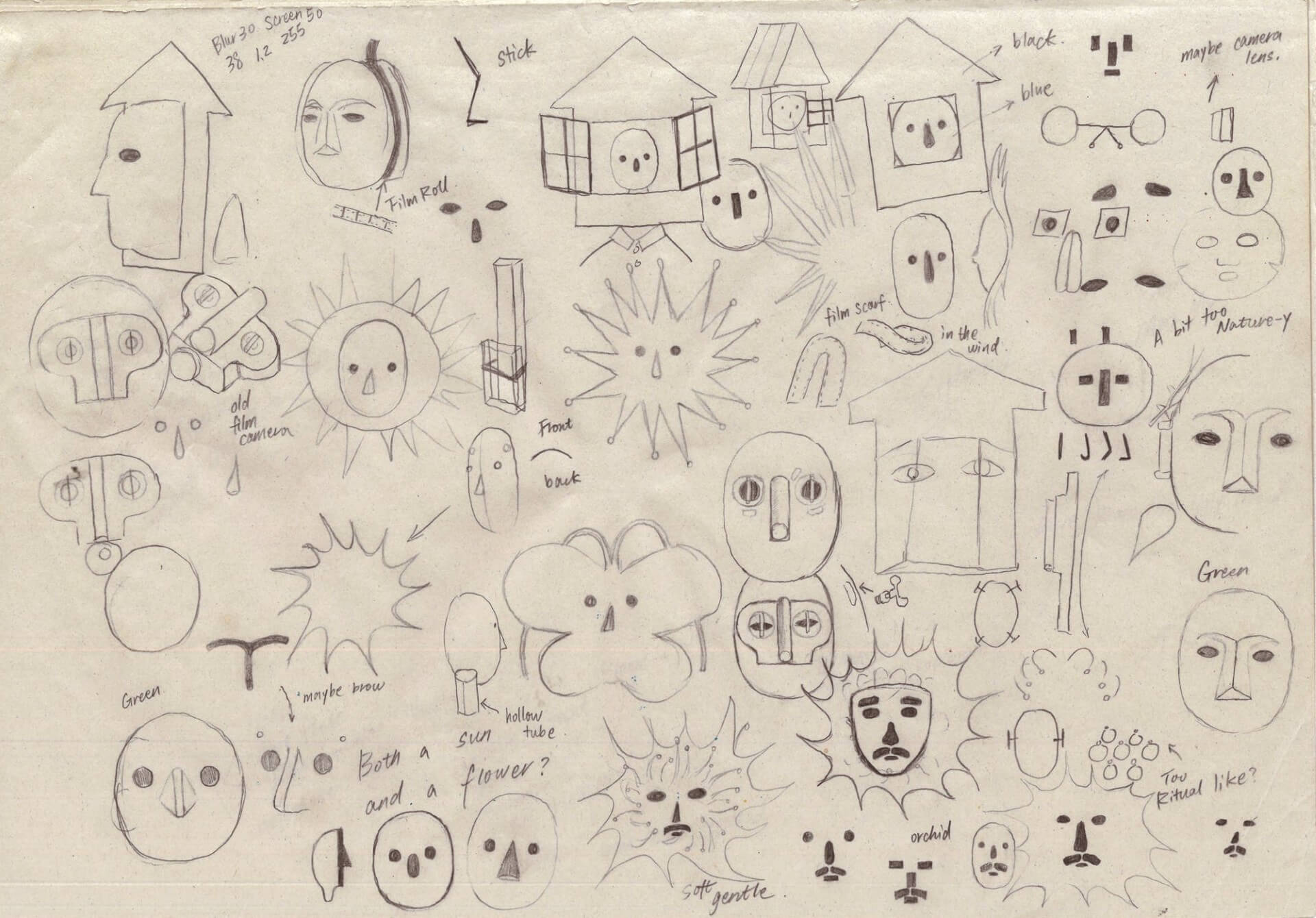
Image: NFB
Before making Intruder, I had just finished writing a short story called “Saigon,” about a man who secretly watched his husband’s dreams at night and came to suspect him of having an affair. So when I found out this year’s Hothouse theme was “people watching,” I thought my story fit the theme perfectly. But I needed to distill it into something that could be told in one minute—the constraint and challenge set out by the NFB’s Hothouse program. What I ended up pitching to the NFB was the story of a married man watching his own dreams. The idea was: a man wants to control everything, even in his dreams. But when face to face with his deepest feelings, he finds himself not the auteur of his dreams but their audience. The film ends with a tender promise: he appears to remain faithful (or he continues in denial; different people I’ve spoken to have different reads on how the story will unfold after the credits roll).
How was the film made?
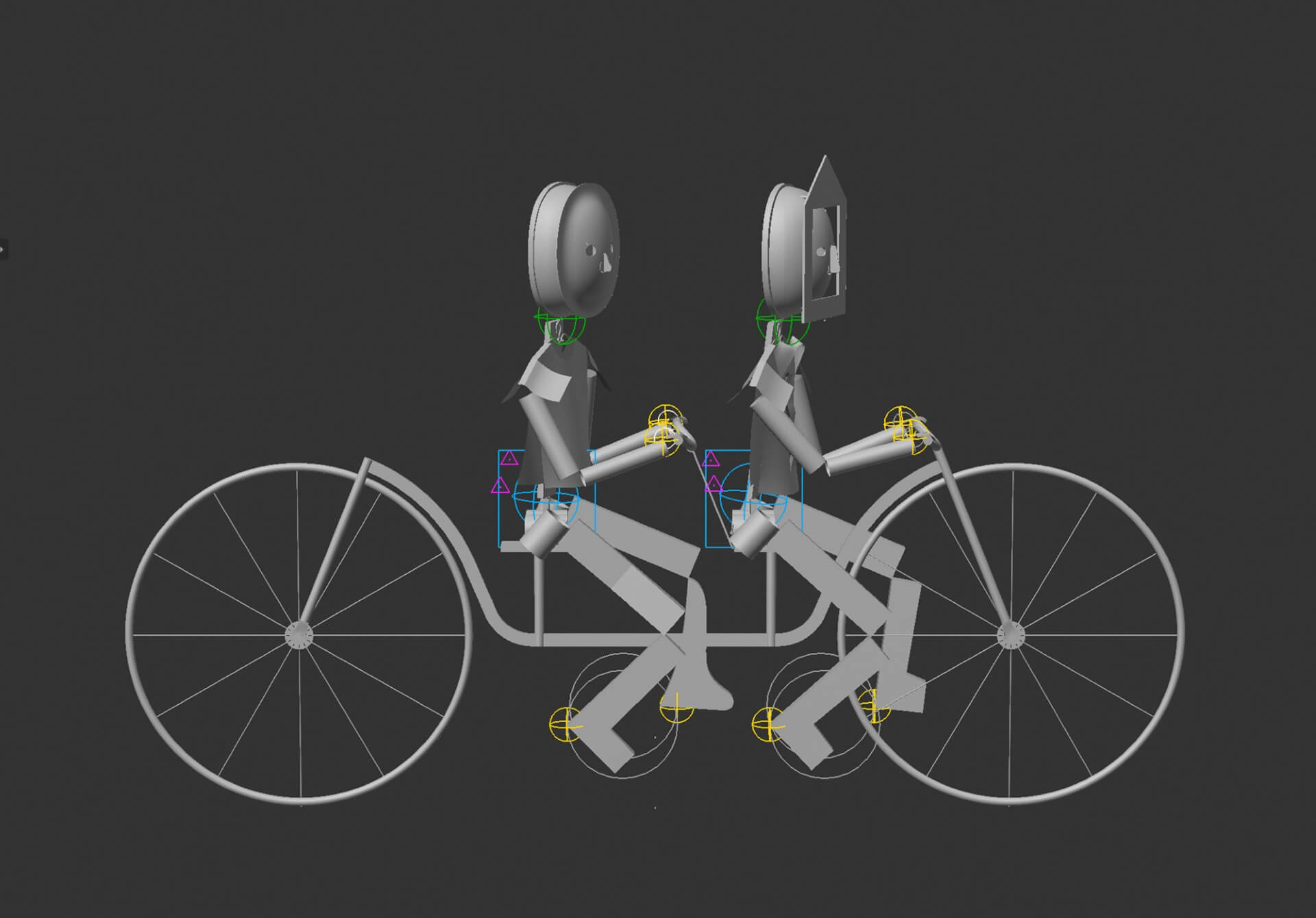
Image: NFB
It started with a script, then a storyboard, followed by animatics. All visual elements were explored and finalised with pencils on paper and brought into Cinema 4D only at the end. Sound and music were recorded in Toronto and Montreal, and beautifully composed by Vid.