

WTF?! Anibar 2025 Review – Where Animation Meets Uncertainty, Balkan Charm, and the Warmest Animated Welcome

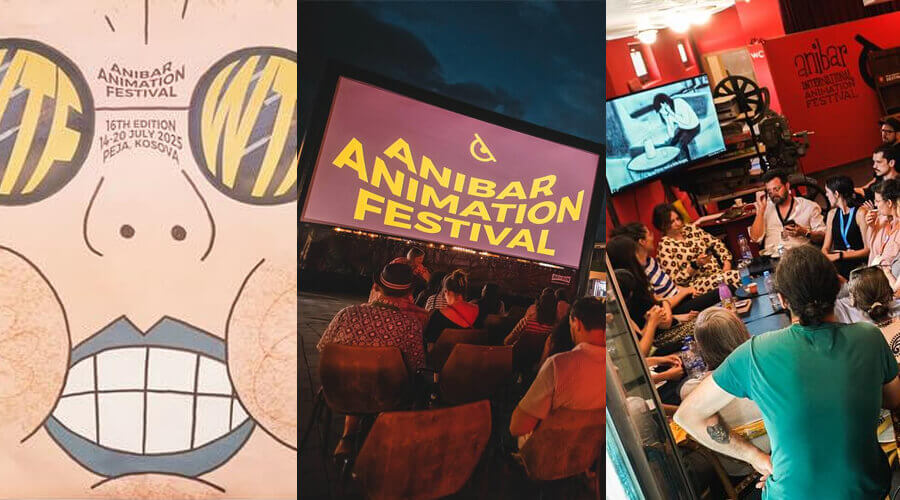
For as long as I’ve been covering animation festivals, Anibar has been lingering in the back of my mind: its striking logo, a festival that everyone talks about with passion, stories of late-night screenings, creative venues and parties, and an atmosphere you just can’t put into words.
After years of hoping, the stars finally aligned and I made my way to Peja, Kosovo, for the 16th edition. And what better year to do it than when Anibar’s theme was the unapologetic and ambiguous WTF?! (What’s The Future / What The F**k ?!). The theme was not just a tagline: it was everywhere. It was plastered across tote bags, erected on signage throughout the city, and shouted out in acceptance speeches. And it resulted in one of my favourite festival trailers so far:
Peja: The City That Becomes a Festival
Anibar is much more than a festival that pops up for one week every year and then disappears from everyone’s mind. I was fascinated to discover what it has grown into and how integral it is (and will be) to the future of the Kosovan animation industry.
Founded by Vullnet Sanaja and a passionate team of animation enthusiasts, the first edition of was born out of a desire for a group of friends to learn the craft of animation and make their own films. With no formal animation school or training available in Kosovo – a nation still rebuilding after recent conflict – the idea was to bring the best international talent to the city. This would help nurture an animation community by sharing skills, knowledge, and experience. And what better way to do that than by hosting an animation festival.
That first edition was started on a budget of less than €500 and comprised of 80 films sourced from friends. Today, it has grown into one of the most popular animation festivals in Europe with 160 films screened from 51 countries this year.
-
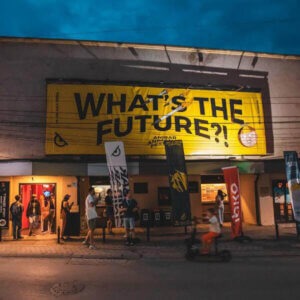
- Jusuf Gërvalla cinema.
-
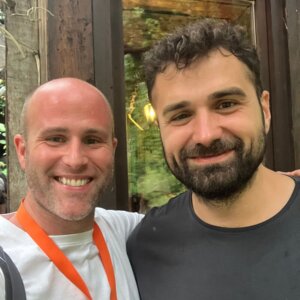
- Aaron Wood with Anibar founder Vullnet Sanaja
-
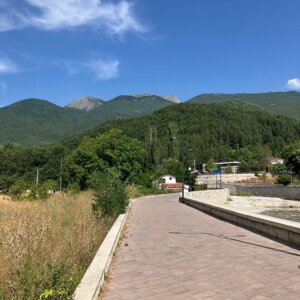
- Peja Mountains
Beyond the annual festival, Anibar plays an important role in shaping the animation landscape through educational and community initiatives. One such initiative is the Anibar Animation Academy – the only formal animation education offering in the country. Every Kosovan animator I met at the festival had come through the Academy, and all of them credited it with kickstarting their careers.
Another fascinating aspect of Anibar is how they came to manage the city’s main venue – the Jusuf Gërvalla cinema. Originally built in the 1950s as a state-run workers’ cinema, it remained in public use until 2016, when local authorities placed it on a ‘liquidation list’ – meaning it was ear marked for privatization (and likely demolition, as per other cinemas in Kosovo – only 4 like this remain). That’s when Anibar sprang into action, launching a successful campaign to save the cinema. Ownership and operations were transferred to Anibar the same year and since then they have revitalized the venue with year-round events including film screenings, music nights, and community events.
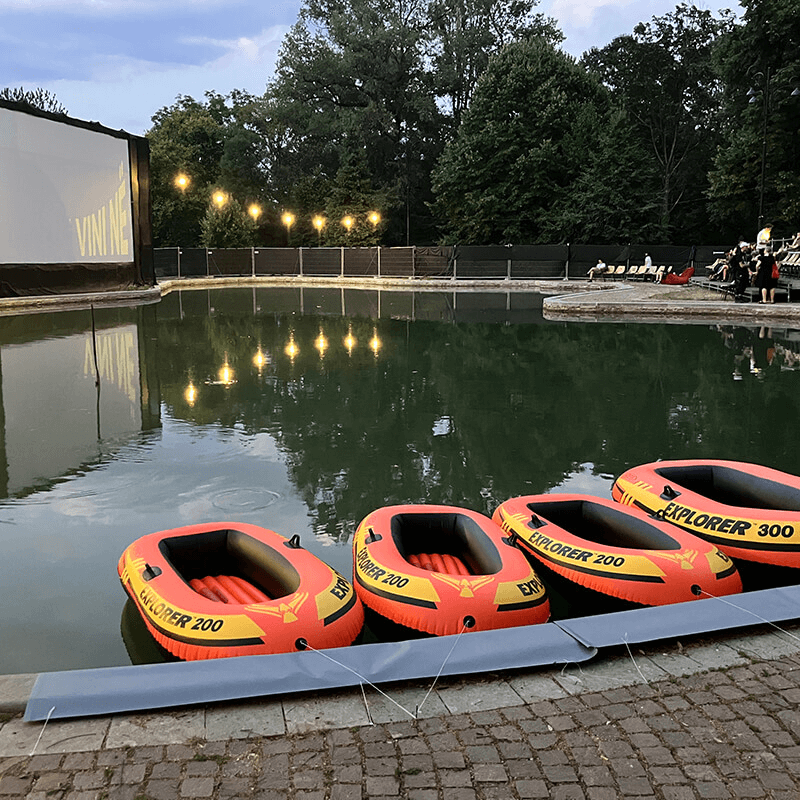
Aside from the cinema, Peja boasts some truly unique makeshift venues for Anibar screenings: the outdoor lakeside cinema (with boats!), the open-air Cinema Cubes, and new for 2025, the Bazaar of Peja, which drew in large swaths of the local community.
So, Peja, almost by default, became the place where the seed of Kosovo’s animation industry was planted. Its relaxed pace of life (even during festival week), framed by the surrounded mountains and river, make it an ideal setting to host a festival.
The Heart of Anibar: What Makes It So Special?
Every festival tries to create a sense of community, but Anibar takes it to another level. Where else can you start your morning with a festival-led yoga session or short run; enjoy mountain picnics with rakia (a strong Balkan alcoholic spirit), party seven nights in a row with live music that switches between English and Albanian; or – my favourite – watch a short film programme from a paddle boat as you try not to spin out of control?
It’s hard to separate the festival from its social life – two are closely connected.
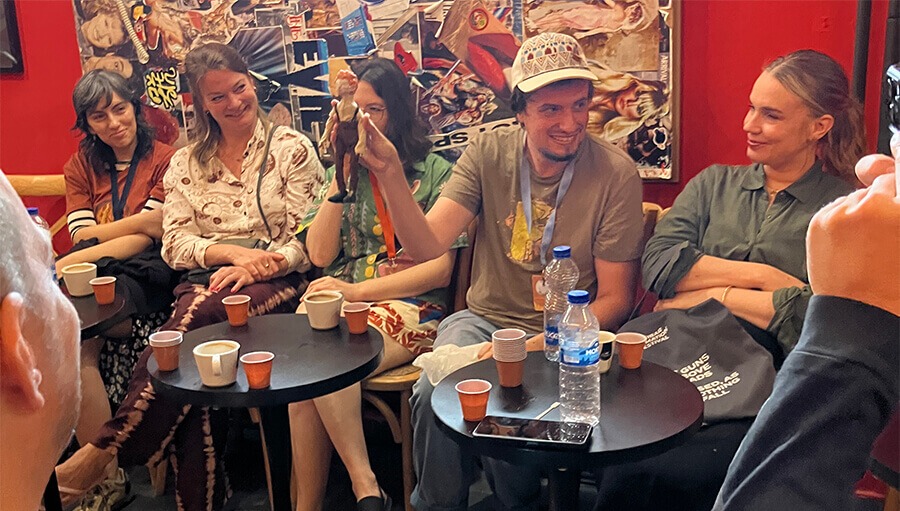
Meet the Filmmakers. Krste Gospodinovski holds a puppet from ‘Silent Cinema’
Mornings at Anibar started with Meet the Filmmakers, a cosy, early-day tradition where strong coffee was served alongside even stronger rakia (40% proof!). It’s the only festival I’ve been to where you can toast with filmmakers before lunchtime and it’s completely normal!
From there, the day would unfold into screenings, workshops, and panel events, with just enough time in between to explore Peja, share a picnic or hike in the mountains, or take a swim in the river.
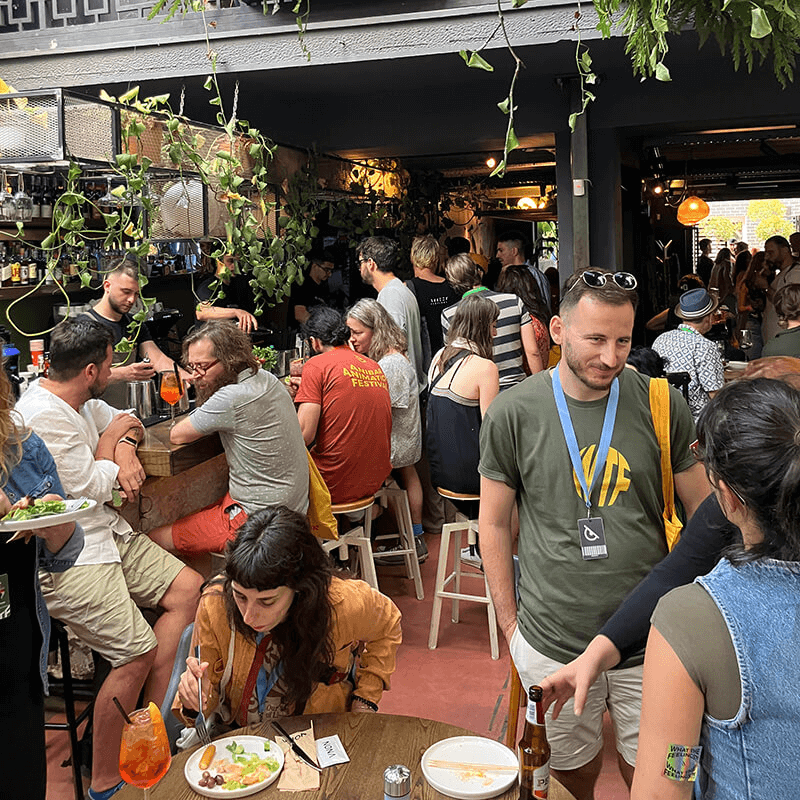
The Get Together was a staple of the daily schedule. These mysterious, semi-secret gatherings became an event in themselves. You never knew what was planned until a cryptic email dropped into your inbox a couple of hours beforehand. That daily message became a highlight in itself for me: Where are we heading tonight? What unexpected venue awaits?
Next up: a few more screenings, this time by the lake or floating around on a boat.
-
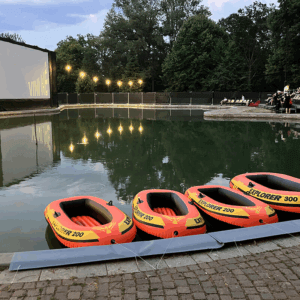
- Boats awaiting filmmakers at the evening screening
-
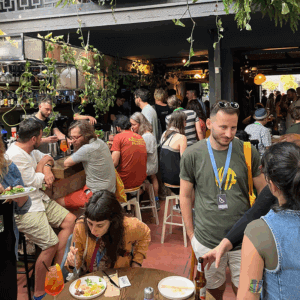
- One of the Get Together networking events
-
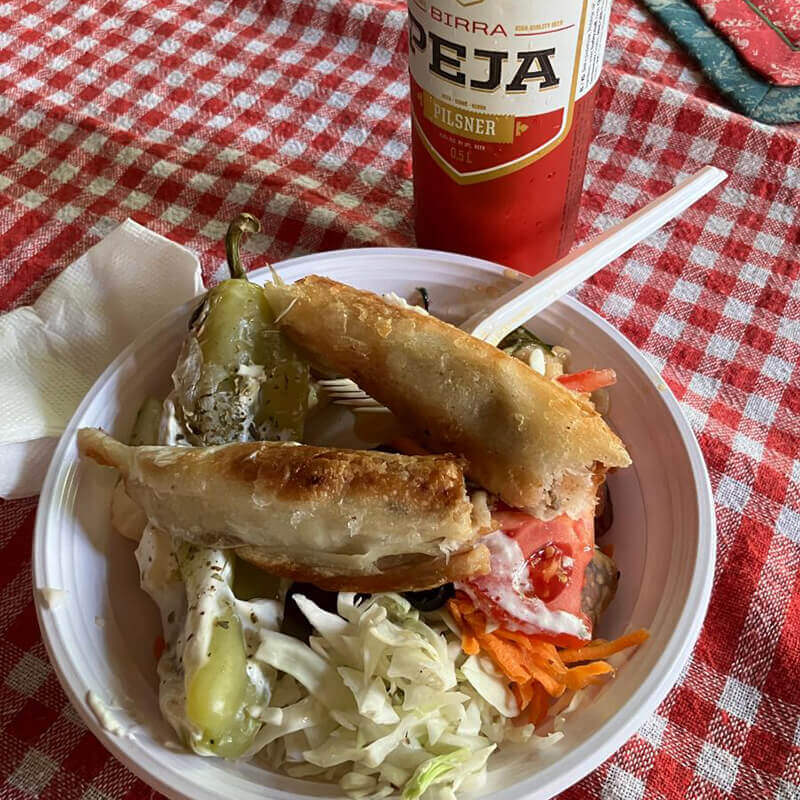
- Anibar picnic: Traditional Balkan food and local beer
When the day was done, the after-parties kicked off. From 11pm, a separate venue opened into a celebration of more than just animation: bands, DJs, rappers, VJs and other live acts brought together locals and festivalgoers in one of the most fun and energetic atmospheres I’ve seen at any festival.
And all of it is made possible by the lifeblood of the festival – the huge team of volunteers – who manned the multiple information centres that were dotted around the city. Always smiling, always helpful, always finding time for a chat – they gave a welcome that made me instantly feel part of the Anibar family. Thank you!
Highlights: Screenings, Panels & Events That Defined Anibar
I don’t want to give the impression that all I did was eat, drink, and party! With most screenings and events lasting 60-minutes or less – and venues located close together – it was easy to attend nearly every event in the schedule.
Anibar’s programme is diverse and thought-provoking – not just in its selection of films, but in the discussions it encourages. The panel talks covered a lot of ground: from practical advice around starting an animation career in the Balkans, to open conversations on mental health in the industry. I had the pleasure of joining the Ask the Pro: Navigating the International Landscape panel, where we covered everything from distribution challenges to the role of the producer, and how to stay positive in the current climate.
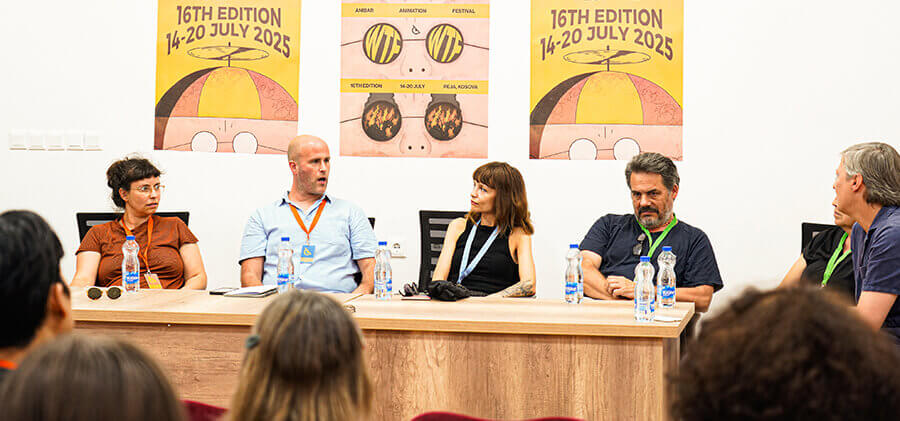
Ask the Pro: Navigating the International Landscape panel: (left to right) Britt Raes, Aaron Wood, Lucia Dubravay Trautenberger, Olivier Catherin, Aneta Ozorek
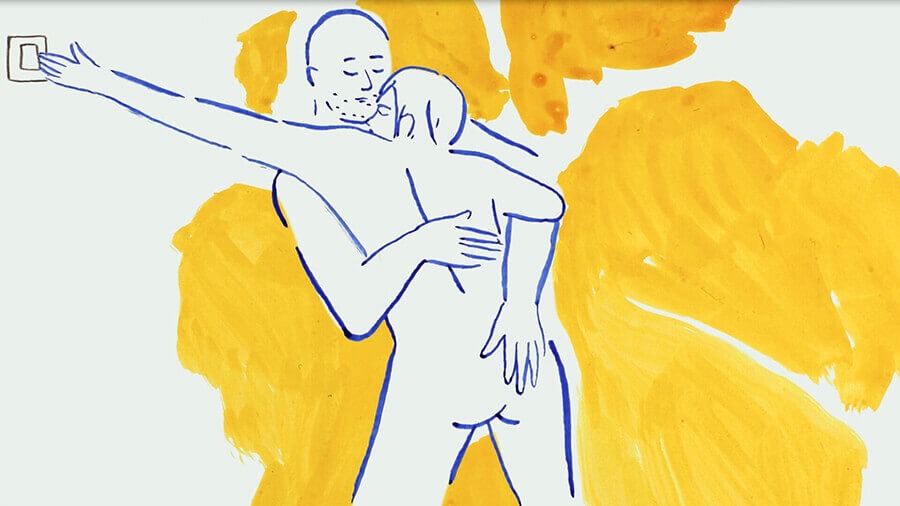
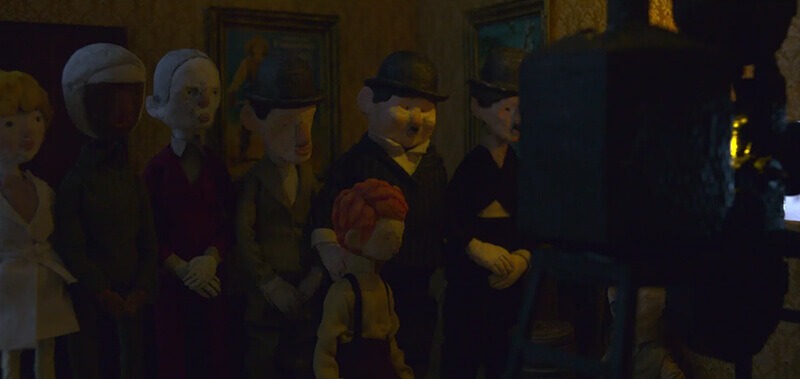
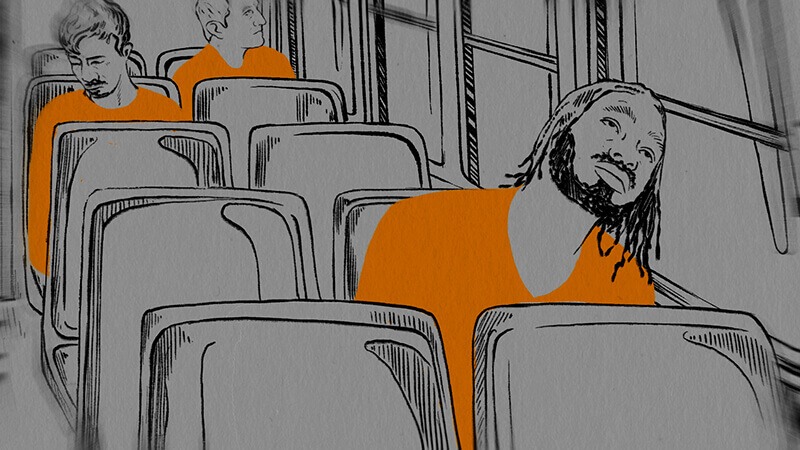
The screenings were just as varied. I took in animated documentaries (favourite: Girls Are Made to Love), student films, experimental shorts, commissioned work, and international highlights. 2025 marked the first year Anibar introduced a dedicated Balkan Competition category, where Silent Cinema, a beautifully crafted stop-motion film from North Macedonia that took eight years to make, was my standout film. In the Human Rights category, Inside, the Valley Sings – a film exploring the life of three U.S prisoners surviving years of solitary confinement through their imagination – left a lasting impression on me
-
- Girls Are Made to Make Love ( Jeanne Paturle, Cécile Rousset, Jeanne Drouet)
-
- Silent Cinema (Krste Gospodinovski)
-

- Inside the Valley Sings (Nathan Fagan, Natasza Cetner)
But the screening that will stay with me is the Palestine Animated Shorts at the Bazaar of Peja. Projected on a makeshift screen in the middle of the historic square, there wasn’t a seat left. People stood, sat on the pavement, leaned out of windows, and even wheeled out office chairs to watch. It was one of those moments where I witnessed the power of animation and how it can bring together communities of all backgrounds.
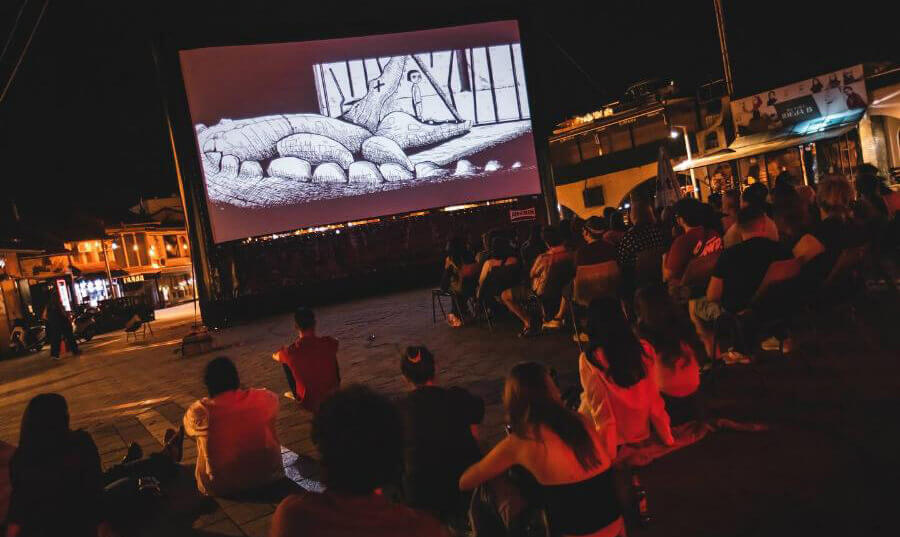
Palestine Animated Shorts at the Bazaar of Peja 📸 David Çavollari
Central to Anibar’s mission to nurture the next generation of animation talent were two standout initiatives: Pitch It! and the newly launched Anibar Pro: Genesis. The latter marked its debut this year, selecting ten emerging directors and giving them the support to push their projects forward. There are plans to make Anibar Pro: Genesis a regular fixture at the festival, and if this year’s pitches are anything to go by, I look forward to seeing what next year brings. (Keep an eye out for Stick with Me (Albana Hajdini) and Fading Echoes (Alisa Fejza).) Also, stay tuned for an upcoming interview with Pitch It! winner Flaka Kokolli.
Until Next Time, Anibar…
As with any great festival experience, it all ended too soon.
If you’re a filmmaker reading this and your film gets selected in the future, here’s my advice: GO. Don’t put it off for years like I did. You can fly to Pristina, the capital of Kosovo, and take an hour taxi journey for a reasonable price. From there, let Anibar (and Peja) guide the experience.
Anibar isn’t just a seven-day festival – it’s a space where international guests bring their knowledge, passion, and openness; and everyone is thrown together to share amazing experiences and spark new relationships. But most importantly, Anibar gives emerging Kosovan talent a visible platform, not just to be part of the future of animation, but to shape it.
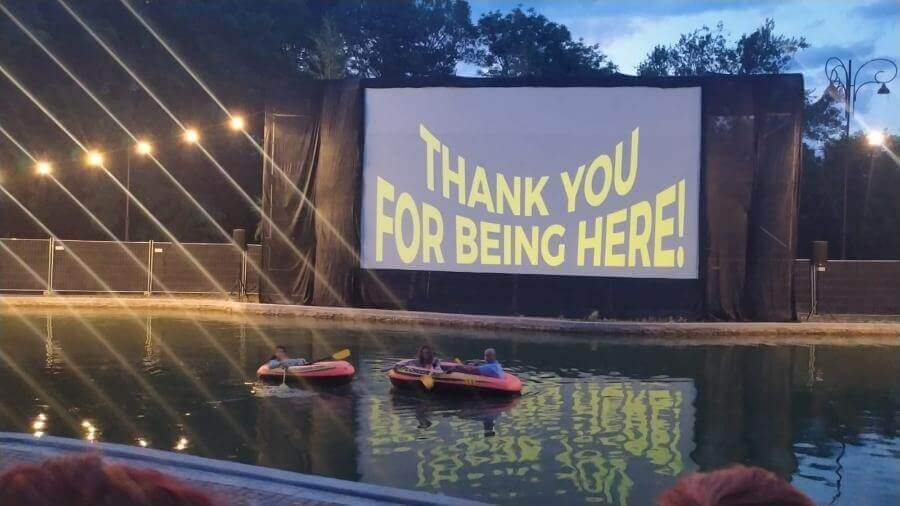
Anibar screening at Lake Cinema 📸 David Çavollari
A big thank you to Anibar for inviting Skwigly, and to Vullnet Sanaja, Arba Hatashi, Vita Kasapolli & the whole team for your hospitality.
Recap of 2025 Award Winners
International competition – Dog Alone by Marta Reis Andrade
Special Mention – Dollhouse Elephant by Jenny Jokela
Balkan competition – How by Marko Mestrovic
Student competition – Children of the Bird by Julia Tudisco
Special Mentions – The Eating of an Orange by May Kindred-Boothby and Poppy Flowers by Evridiki Papaiakovou
Pitch It! first place – I Still Haven’t Cried by Flaka Kokolli
Pitch It! second place – Transporting Woman by Verica Tenekedjieva
Pitch It! third place – The Last Bookstore in the World by Katarina Zaharijev and Marija Maletić
Human Rights category – Romina by Bee Grandinetti
Special Mention – Cimarron by Rémi Vandenitte and Cédric Bourgeois
Animated Music Videos category – Coldplay – feelslikeimfallinginlove by Raman Djafari
Special Mention – Bob Dylan’s Big Dick by Chris Lambourne
Young Audience category – Down in the Dumps by Vera van Wolferen
Special Mention – The Legend of the Hummingbird by Morgan Devos