

The Super Mario Galaxy Movie Review – Who Benefits From Low Standards?

© Nintendo & Illumination
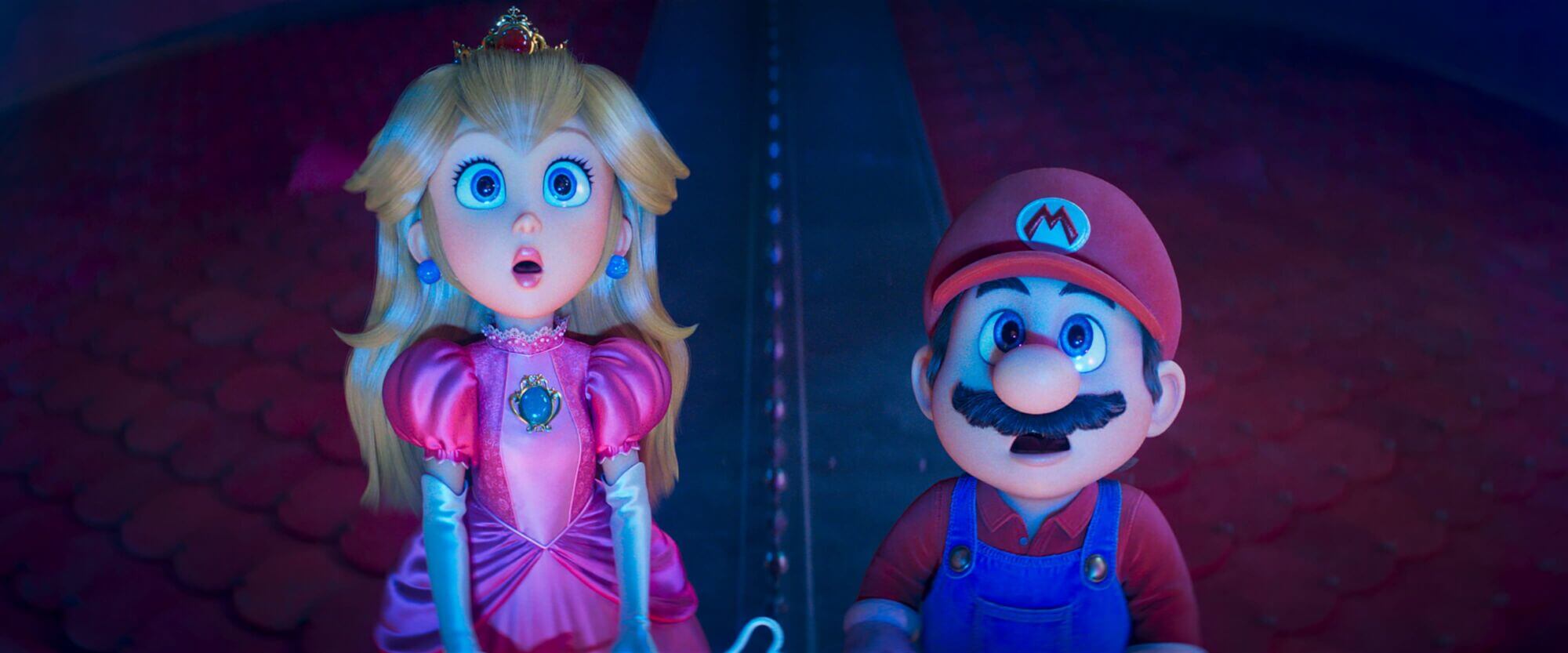
I try my best to meet every film where it’s at, but I don’t like where The Super Mario Galaxy Movie took me. Many critics have panned the film for its formless structure and barely legible plot, as if the artists at Illumination lack the skill to execute one. In fact, the Mario Galaxy Movie’s lack of structure is an artistic vision realised in the exact way Illumination dreamt it, but one that speaks to larger societal ills. However, I found myself smiling along to the jingling keys and the ham-fisted cameos that Chris Meladandri’s studio unceremoniously threw in my face, brewing an inner conflict we all must face about the way we engage with modern entertainment.
Released in 2023, the first of Illumination’s Mario adaptations at least gestured towards a storyline and arc for its main characters. It came with a breakneck pace and a jumble of Nintendo references, but Mario and Luigi’s journey to prove themselves as competent adults was present, as surface level as it was. The Mario franchise was always going to be hard to adapt, meaning that a lot of people graded the first movie on a curve, assuming that future entries would take a more traditional tone, now that the audience had been established. They even decided to adapt Super Mario Galaxy, one of the few mainline games to have some lore and backstory. Instead, Illumination chose to go in the complete opposite direction.
It turns out that the lip service paid to plot and structure in the first film was a necessary evil to get people primed for what Mario Galaxy is – a cinematic brainrot session. The film pieces together vignettes that barely make sense in isolation, and make less sense as part of a larger piece, but play like pieces of a fever dream set in the Mushroom Kingdom. An early scene depicts Mario and Luigi biking through Super Mario Odyssey’s Sand Kingdom and discovering Yoshi. Throughout the scene, their characterisation is haphazard and inconsistent, the very basics of care not being taken.
The rest of the film is no different. Familiar music cues are dropped leisurely, characters like Yoshi simply appear and immediately become part of the crew without discussion, niche characters from Nintendo history are paraded across the screen in moments completely disconnected from anything happening.
The Super Mario Galaxy Movie is a direct consequence of the invention of the endless scroll, emulating the feeling of parsing through your social media app of choice for 90 minutes, activating your thumb muscles the second something gets a little too boring. The next time you scroll through your phone, ask yourself how many of the posts or videos you actually remember. The likely answer is in the single digits. Our brains are being trained to toss out the information received by our eyes as soon as we take it in, and The Super Mario Galaxy Movie is intricately designed to feel the exact same way.
© Nintendo & Illumination
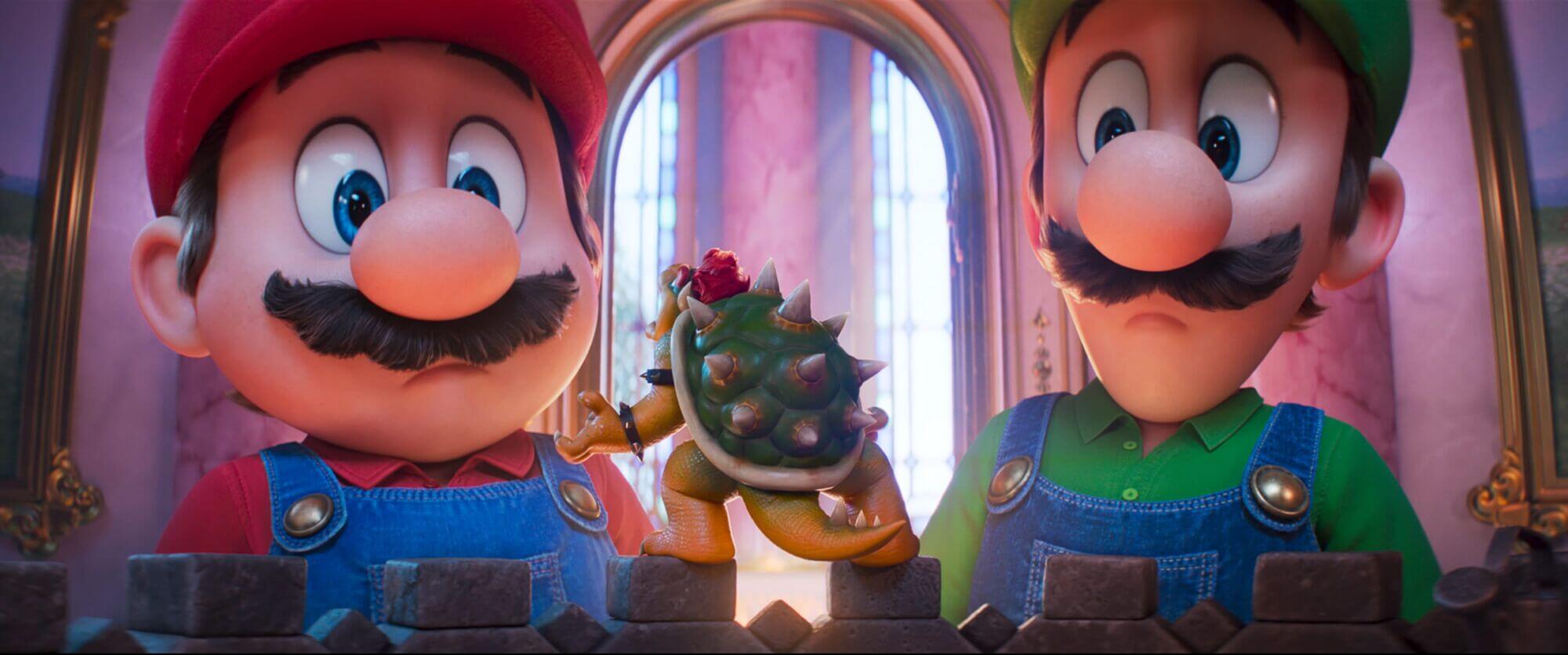
This is a shame for a lot of reasons, not only because there are clearly artists at Illumination who took some care over their work. The movie looks terrific. It’s gorgeous and bright, every scene pops with colour in a way that a lot of Hollywood blockbusters don’t anymore. Even so, it communicates that its audience are children who need to be placated by bright colours and familiar faces. To the filmmakers, cinema is a dead medium devoid of artistic expression; a corpse that can be weaponised for profit.
Forming a perfect partnership, Nintendo seem to have the same view. The care and attention put into Mario games is completely missing from the Mario movies. When a mainline Mario game releases, it’s likely to be one of the great achievements of the year. The Mario films are damaging to that seal of quality Nintendo have established. But the movies are excellent advertising for Nintendo’s true artistic focus, and with a new Yoshi game coming out next month and rumours of a Starfox revival later in the year, it’s obvious what function The Super Mario Galaxy Movie really serves.
As I write this, my peripheral vision is clouded by totems from series like Mario, Pikmin and Kirby. I love so much of the art Nintendo has given us, and I found myself enthralled by so much of The Super Mario Galaxy Movie, despite it cynically leaning on low-effort nostalgia bait. It’s an icky feeling to understand the point of view of the “just turn your brain off and have fun, it’s just for kids” crowd, because none of us benefit from having lower expectations for our art. Why is it okay for children’s media to be without substance? Why give corporations like Universal an excuse to not put in the work? To replace workers with AI?
My complaints seem to be for naught, as The Super Mario Galaxy Movie has earned the highest opening day for a 2026 film. If today’s filmmakers believe that cinema is dead, are we proving them right?
The Super Mario Galaxy Movie is out in cinemas now