

Inside Dreamworks ‘Forgotten Island’ with Joel Crawford and Januel Mercado [Interview]
DreamWorks Animation is a very different studio to what it was a decade ago. Their logo used to symbolise everything wrong with western animation, seen as the cheaper, more crude alternative to Pixar, who were routinely showered in golden statues. Now, DreamWorks are on a run that have made them the most exciting of the Hollywood animation studios, breaking free of conventional art styles to challenge what a mainstream animated movie can look like.
© DreamWorks Animation
Joel Crawford and Januel Mercado have been key figures in that charge for change. Their collaborations are frequent throughout their time at DreamWorks, but reached a new level with 2020’s The Croods: A New Age where Crawford served as director and Mercado as head of story. Then came Puss In Boots: The Last Wish, one of the crowning achievements of the studio on which Crawford and Mercado shared the director’s chair.
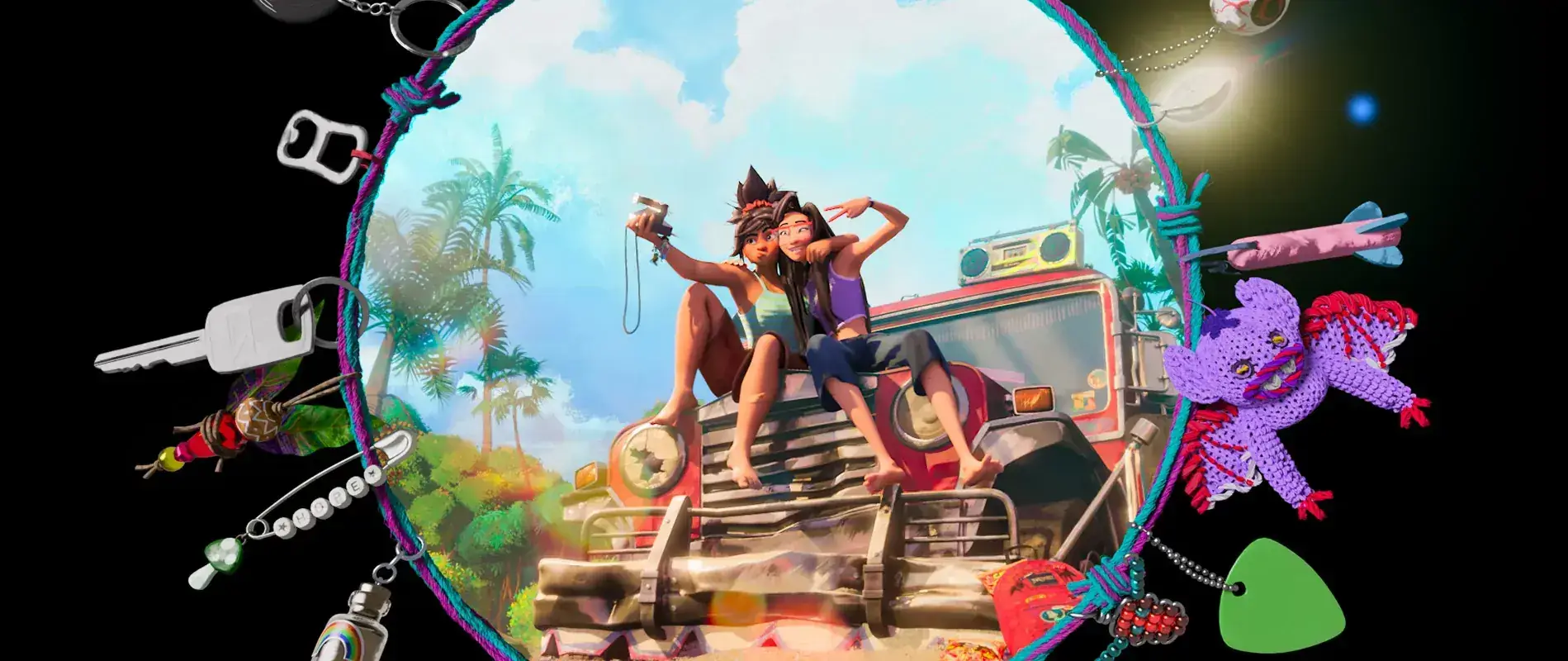
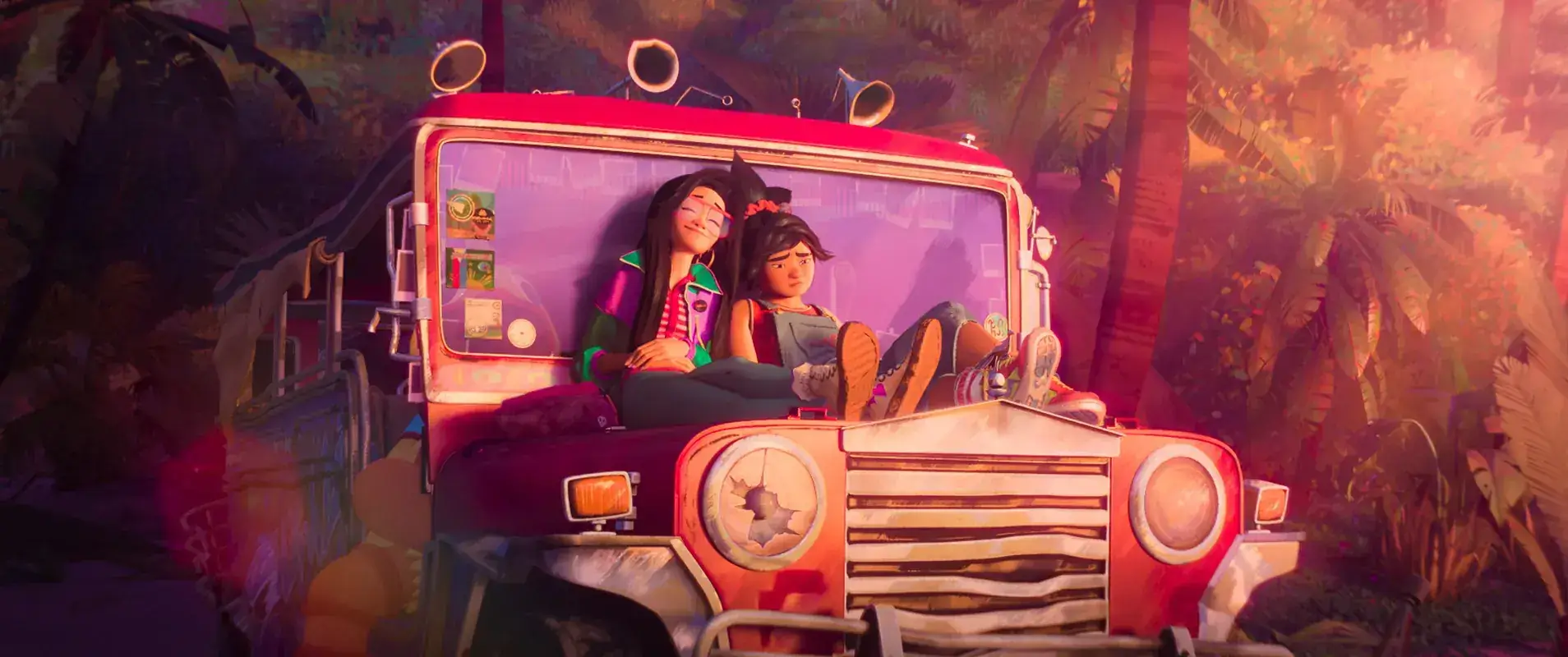
That same chemistry is reprised on Forgotten Island, a pastel-textured dive into Filipino folklore centred around two best friends, whose relationship is modeled after Crawford and Mercado’s own. We caught up with the pair to discuss the process of crafting a visually distinct world, the tradition of animated mythology and the space DreamWorks now occupies in the industry.
Crafting a completely unique world from scratch can be a huge challenge. What guided your design philosophy?
Crawford: Telling a story that was truly fresh. One of the great things was starting with Filipino mythology, which has never had the center stage in animation, and it’s one of those things that it’s familiar but different. There are so many movies pulling from European mythology and folklore, you’ve got witches, werewolves, vampires, but then in Filipino mythology there’s similar things, but just with a slight difference. For example, there’s no werewolves, there’s were-dogs, because there’s no wolves in the Philippines.
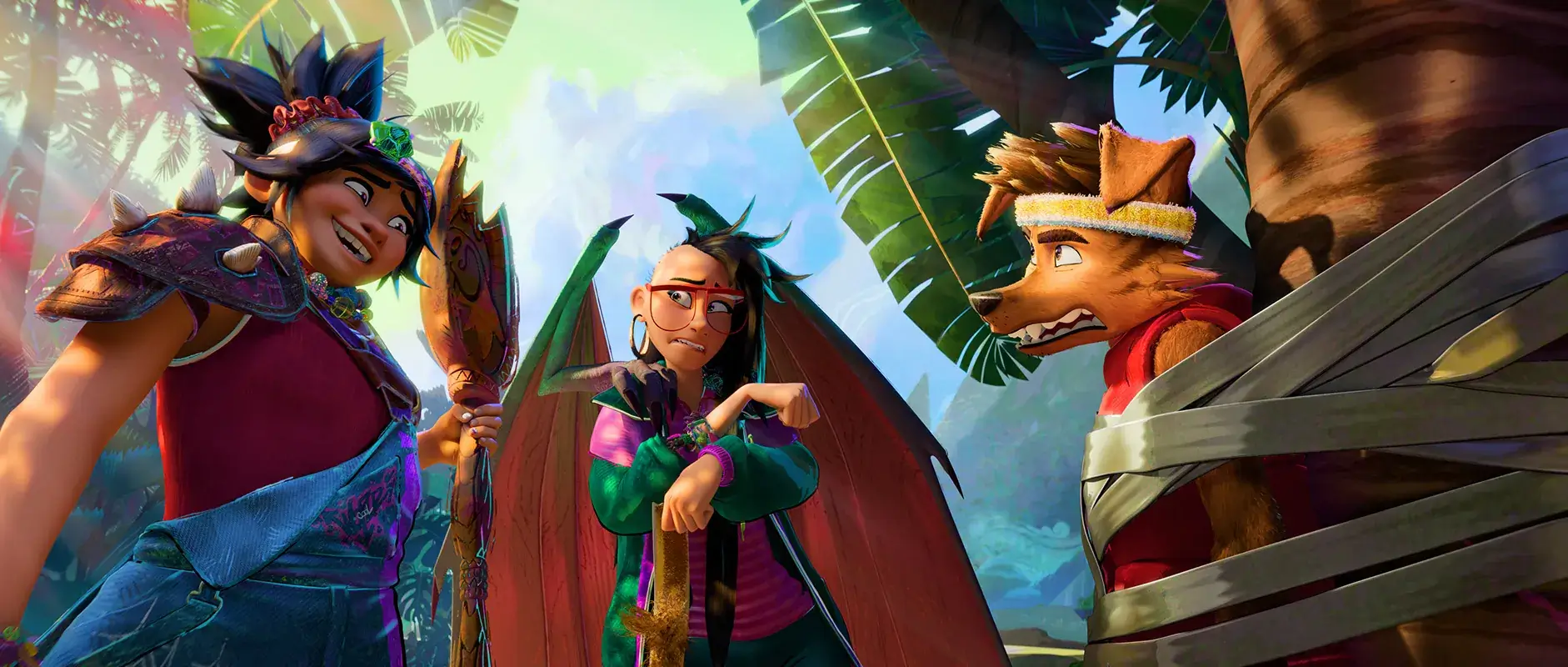
Crawford: One of the most iconic Filipino legendary creatures is the Manananggal, which is one of the villains in our story. Being able to showcase this iconic Filipino creature was really cool. She’s a vampire demon that separates its body in half, its torso from the legs and flies around and that was exciting to everybody on our crew from the character designers to the rigging department. It was essentially about making two different models because the legs move on their own and then we found out later that these wings are the most complex rig that DreamWorks has ever had.
Mercado: They’re not just typical bat wings, they can make that shape, but they’re actually separate digits and they can act like ribbons. Once the animators and modelers and riggers figured it out, then it was a beautiful thing.
© DreamWorks Animation
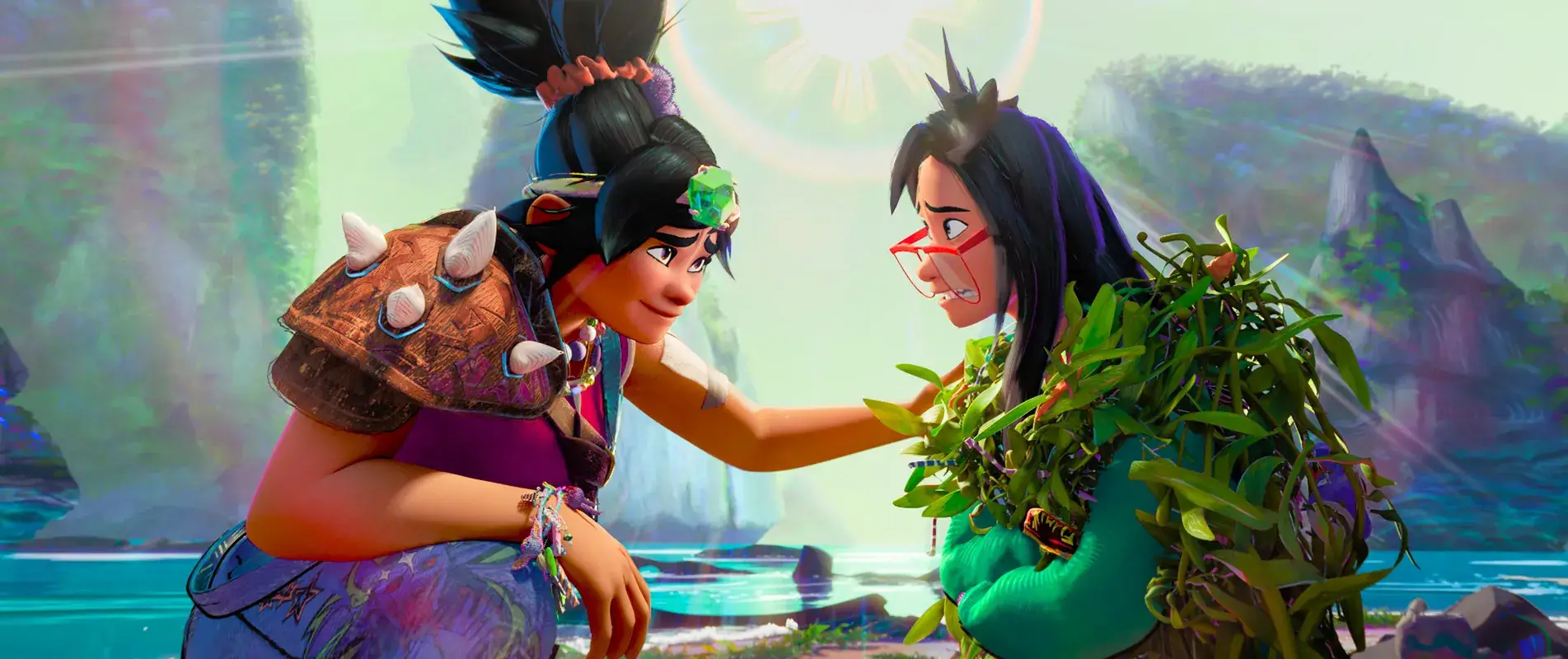
Crawford: Picking a reference source that hasn’t ever been shown, in Filipino mythology, created an opportunity to create something people haven’t seen. They’re in the fantastical world of Nakali, this magical island where most of the story takes place. Going with the mythology, we have seven moons in the sky. We have this Filipino sun that looks like the sun on the Filipino flag, so when you get a lens flare, sometimes you get that shape hitting the lens. Our production designer, Ryan Carlson played with the idea of what happens with shadows, what’s science in this world, and you get these interesting almost black light highlights on characters. We were only limited by our imaginations.
Mercado: It became a running joke where we’re setting up lighting and we’ve already set up the show for the sun to be in a certain place but it’s like, ‘seven moons bro!’ It doesn’t have to make sense, you just have to suspend disbelief.
Crawford: With all of the fantastical pushed, stylised elements of this, none of it matters if you don’t have a story that is grounded in very relatable universal human emotions. We started with the relationship of two lifelong best friends and pulled so much from our own friendship as well as the strong women in our lives. My wife is Filipina and we have three kids together…
Crawford: So we took that opportunity to write who we know and create this story about lifelong friends and about memories and the opportunity to be grateful for the people in your lives. We grounded everything around that and then built out this fantastical tale.
Mercado: I’m Filipino-American and I was inspired by my relationship with my sister, my cousins, and my nieces…
© DreamWorks Animation
Mercado: With that theme of memories, that evolved into the look that you see now. We knew it would be perfect for 2D and those vivid colours and textures because memories have that dream-like quality where they’re changing and fluid.
Crawford: There’s a treatment on some of the imagery when we do flashbacks for the main characters, but then there’s these supporting fantastical creatures on the island and we do a little bit of a drunk history-type retelling. We have a lot of fun with that.
There’s a great tradition in animation of adapting folklore from all around the world. Is it a challenge to take these stories that were expressly made for scaring children into behaving into fun adventures?
Mercado: When we were doing our research and digging into folklore, we were like, ‘oh, this stuff is pretty dark,’ but it was easy to just lean into the fantasy of it. Vampires and werewolves are murderers but they’ve been shown in media and entertainment for so long that you could interpret it the way you want and be creative.
© DreamWorks Animation
Crawford: Similar to Puss In Boots: The Last Wish, we had a very scary antagonist in The Wolf, death itself, but that’s a big comedy and a big adventure. Horror and comedy are cousins, horror builds tension, comedy releases it. We reference things like Kung Fu Hustle where you have these clashes of tone that make for a very full experience. One second you’re laughing, next second it’s a scare, next second you’re in this adrenaline-pumping action scene.
Mercado: It’s very similar to anime where you have this very pushed, silly expressions and animation but then the same show will have these very dark moments.
DreamWorks has changed a lot in the past 10 years and has become one of the leading voices in the western industry. How has that change been for you guys?
Crawford: We’ve had a wonderful experience with Margie Cohn, the president of DreamWorks, and Kristen Lowe, the chief creative officer. This is now the third movie we’ve made at DreamWorks within six years and there’s a great trust we have which allows us to move quickly. We’re always so clear and we always challenge our stories so much. One of the coolest things about DreamWorks, going all the way back to The Prince of Egypt, is that there’s no house style. You’re not limited or put in a box that you have to break out of on each movie, you’re finding what’s right for that movie, and I think that’s one of the most exciting and dynamic things about DreamWorks Animation,
Mercado: The talent of artists is so top tier as well. We pride ourselves in communicating very well. It’s important for us as humans and our values and I think that helps continue the trust with the executive leadership as well. We always say it takes a village, and it’s great to be on a world tour, but we have to acknowledge that the movie could not be made without this village and this community that you cultivate.