

I Am Frankelda Directors Roy & Arturo Ambriz on Creating Mexico’s First Stop Motion Feature

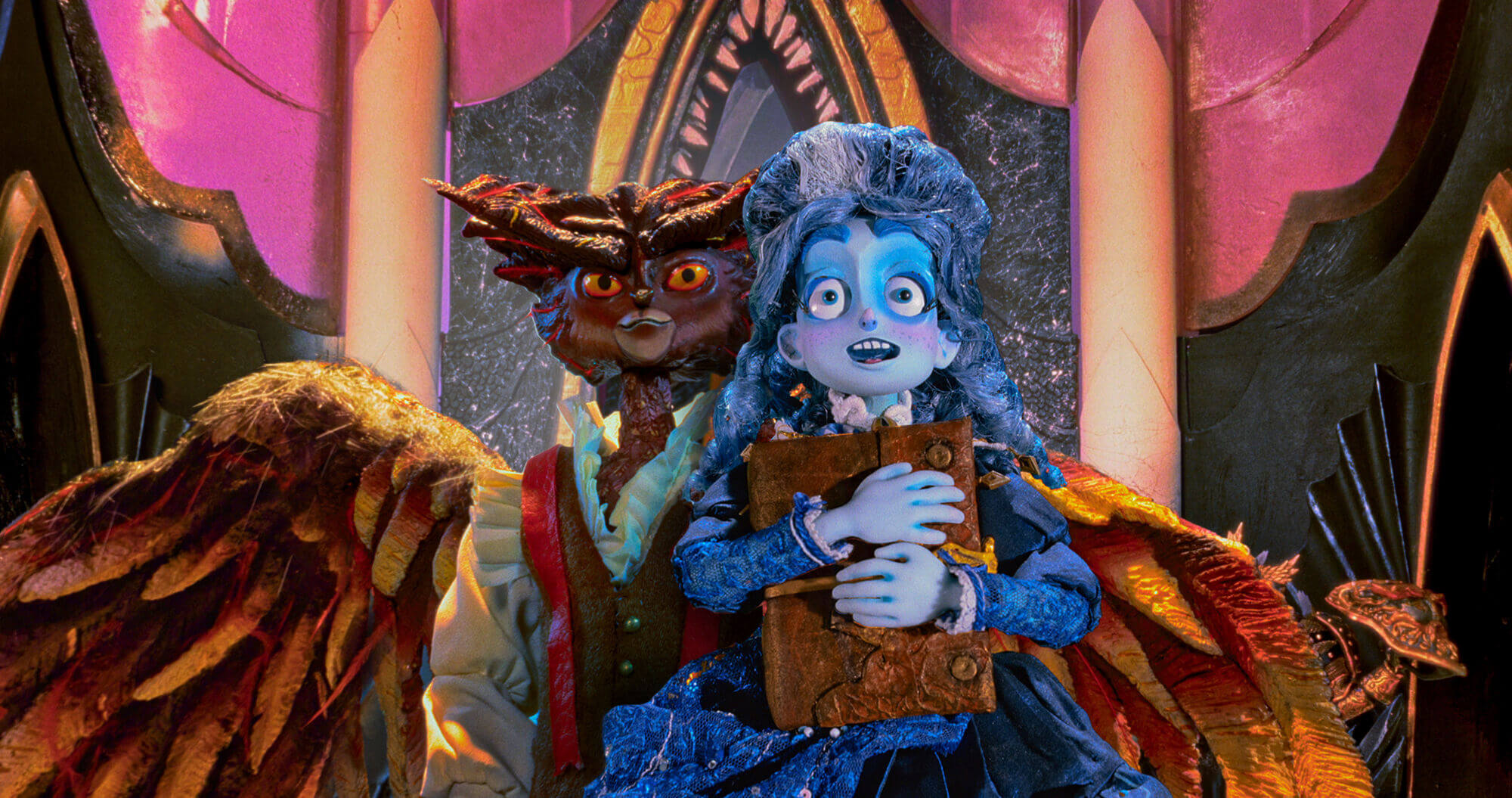
I Am Frankelda. Cr. Netflix © 2026.
One of the most memorable films of last year’s Annecy festival and Mexico’s first ever stop motion feature is finally getting its big global release. I Am Frankelda is a maximalist masterpiece, a gothic, musical trip through a realm of fantasy and horror that asks you to cling on and let the madness wash over you.
The film had an unconventional path to realisation with directors Roy and Arturo Ambriz fighting for the funding to adapt their own work. I Am Frankelda has its origins in Frankelda’s Book of Spooks, a Cartoon Network anthology show that depicts the stories written by the titular character. With Frankelda and Adult Swim’s Women Wearing Shoulder Pads, the Ambriz brothers, and their studio Cinema Fantasma, are paving a new path for Mexican animation.
We caught up with the brothers to chat about assembling a team of student animators, the art of character design and solidifying the Mexican animation industry.
What made you guys want to pursue animation as a career?
Roy: Since we were kids, we loved playing with toys and creating our own stories. I think our first look into animation would’ve been Disney, but specifically in stop motion, The Nightmare Before Christmas. But then we both studied live action filmmaking, all the cinema around the world, experimental film, artistic films, commercial films. And even after we finished studying, we always held onto doing stop motion. We started on a short film called Revoltoso, and we fell in love with that technique. Stop motion animation is the best medium to express our ideas as filmmakers.
Was it The Nightmare Before Christmas that sparked your interest in horror and gothic aesthetics?
Arturo: Yeah, probably that’s where it began. We are big fans of all kinds of monsters and Halloween. Those are our best memories, creating our costumes with our family, buying monster toys, watching monster movies, so we have been very much influenced by that. For Frankelda, in order to create this world of monsters, our main source of inspiration was the works of Gustav Doré, the artist that worked on Dante’s Inferno and Don Quixote. We wanted to make something that seemed really big, really archaic, full of culture, but at the same time, monstrous.
How did the character of Frankelda pop into your heads?
Roy: We had been trying to pitch different ideas to different studios for many years. Finally, Warner Brothers Latin America asked us if we had something in the horror genre for kids. Latin America kids love horror, and there aren’t many horror productions made in the United States for kids. I think over there they are a little more afraid, but here we watch everything as kids, we watched Child’s Play at like five years old, and they play it on TV every Halloween and everybody watches it, it’s a tradition.
So Warner asked us if we had something and that’s when we started creating this character. We wanted to make an anthology in which a woman Mexican author wrote her stories, and in the series we were going to see the stories that she writes. But there was also a backstory for the character, and we hoped that someday we would be able to tell that story, and when the opportunity came, we created this film.
Netflix © 2026
How did you know that this would work as a feature?
Arturo: When we created the series, we knew that the stars were aligned for us. It was a big opportunity that we were pursuing for many years, and we knew that it could be our last chance, so we decided to make the last episode a prequel, so the audience could understand a little bit more about the storyteller. Not a story from Frankelda, but about Frankelda. We included that episode so the audience would request more, and it worked. People got obsessed with that episode. We started receiving fan art, fan fiction, cosplay specifically about that episode. That episode was even more popular than the whole series, so both Warner and us realized that the next step was not a second season with more stories, but to expand that story about Frankelda.
Was it a challenge to gather the necessary workforce to make Mexico’s first stop motion feature?
Roy: It was a really big challenge. We have been working in stop motion now for almost 15 years, we created our own studio here in Mexico City, and since the first day we have been trying to do a feature film, but it was really difficult because nobody else was able to do it, everybody told us that it was impossible. We didn’t get any national funds or grants or investors. Warner gave us almost 30% of the budget for the film. We had to mortgage our parents’ house in order to get the funds to make this, and because of that, we also had to create our own team. We were working with some of our students from the university or artists that we knew at film school that had not necessarily worked in animation before. We were lucky enough to find this bunch of talented guys. Daily, we were working with more than 100 people here in the studio, for all of us it was our first feature film.
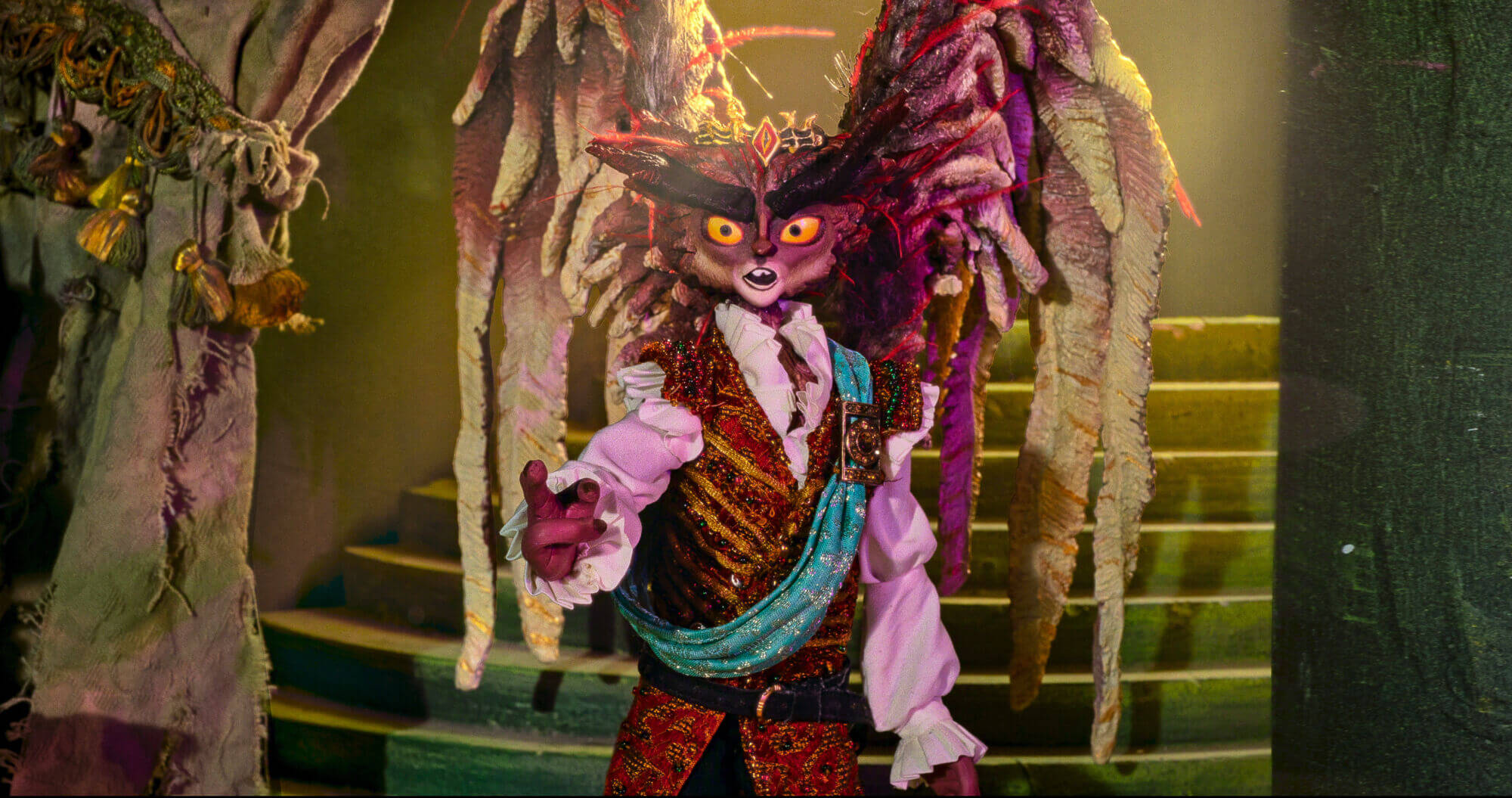
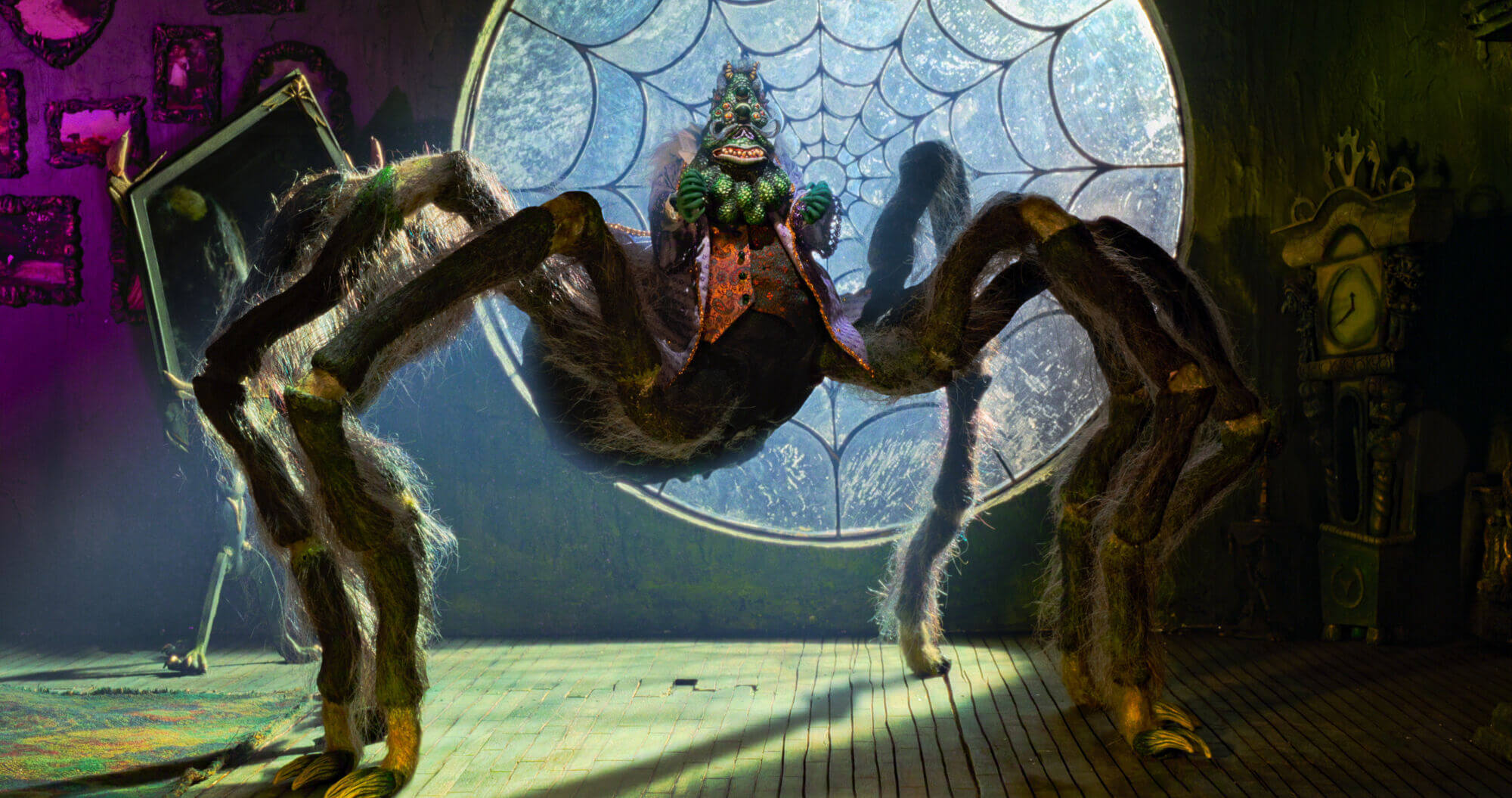
I was so enchanted by the character designs in the film. Even characters who show up for 10 seconds feel so memorable. How do you know when a character design is working?
Arturo: We really try to make characters and creatures that we haven’t seen before, and I think that it’s because of a special taste we have. We love when a character has a lot of personality and is very cute, but at the same time is very creepy, so most of their faces are more in the cute and cartoonish sphere, but their body, their texture, the hair, the fabric is more like on the side of a gory monster. We try to balance them out, and we make these films because we also love character design and watching creatures dancing and playing and suffering.
Roy: We try to look at the side characters as if they were the protagonist of their own film. All of them have their own backgrounds, their own social class and symbolism and wardrobe. So we love doing that kind of stuff.
Netflix © 2026
What infrastructure needs to exist to make sure that Frankelda isn’t a one-off?
Arturo: Specifically for us, we are already making our second feature. As a movement for the entire country, we really hope that this opens the door for new filmmakers, for people who want to pursue stop motion as a way of life. On our end, what we’re trying to do is give a lot of courses, we give a lot of interviews, we try to be as outspoken as possible, because we really feel that the next five or six stop motion features that aren’t ours are going to come from young filmmakers, and we really trust them. We see a lot of people around 25 years old and younger who really want to make stop motion. Perhaps because of the abundance of CG and AI, they really want to do the opposite of what everyone’s doing. A lot of older people were telling us not to do it, calling us crazy, saying it’s impossible. Fortunately, for us, we never thought it was impossible. Actually, we thought we were late. Luckily, the feature was also a complete hit here in theaters in Mexico.
Roy: Distributors told us that it was going to be a flop, but now it’s the highest grossing Mexican animated film since the pandemic.
Why do you think we’re seeing countries like Mexico, New Zealand and Pakistan start to produce different kinds of animation?
Roy: I think that animation helps you to understand real life better, because animation is a big lie that you have to construct in order to show a mirror of society. Right now artists are fed up with the world as it is, maybe animation is a little escape to watch better worlds. I think that animation has also evolved a lot, and now finally it’s not being considered only for kids. Maybe in the United States it’s still considered a little bit more for kids, but in the rest of the world, I think that adults are the real fans of artistic animation. You combine a lot of different arts in order to make an animated film, more so if it’s stop motion.
I Am Frankelda is now available to watch on Netflix, worldwide.